Why Kakuro Feels So Satisfying
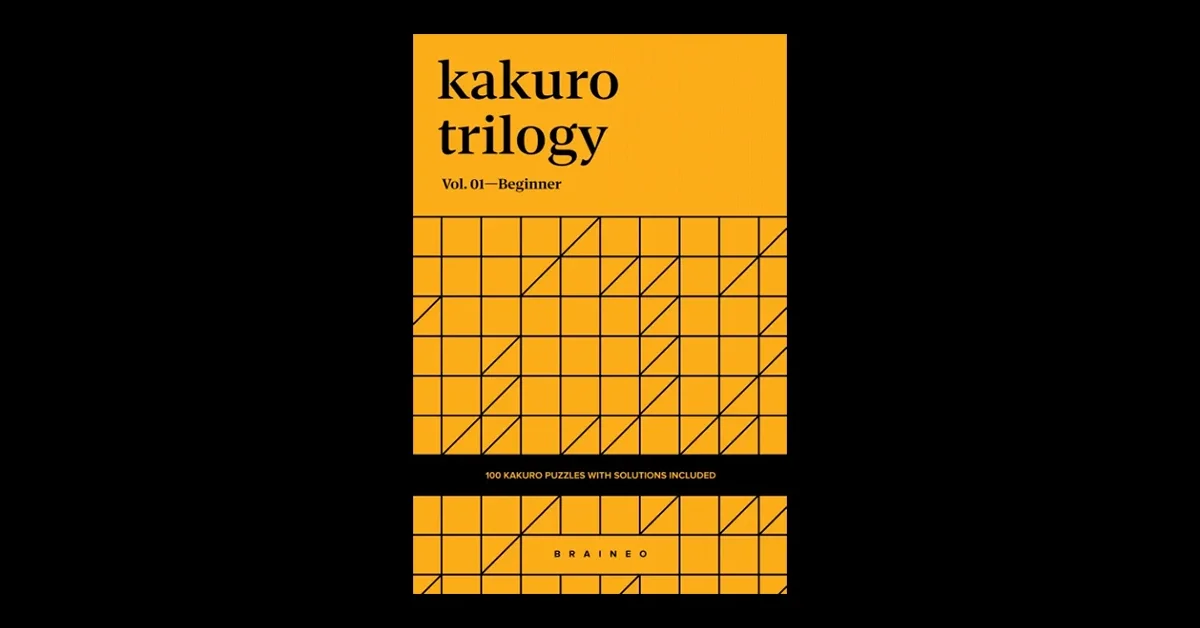
Kakuro Trilogy Vol. 01 Beginner introduces the format through a clear and approachable starting point.
Kakuro does not usually make a loud first impression. It is quieter than many of the puzzle types people recognize immediately, and that may be part of the reason it feels like such a rewarding discovery. The people who connect with it tend to do so for a very specific reason. Kakuro has a way of making thought feel clean. It strips the solving experience down to logic, order, and possibility, then asks you to work forward with care.
That is where much of the satisfaction begins. A good Kakuro puzzle rarely feels random. It feels built. Every clue matters. Every choice affects something else. As the grid starts to open up, the pleasure comes not from rushing to an answer but from realizing that the answer fits. The puzzle gives just enough information to create momentum, and just enough resistance to make progress feel earned. That balance is hard to fake, which is why Kakuro leaves such a strong impression on the people who enjoy it.
Some puzzles create excitement through speed. Kakuro creates it through precision. You look at a clue, test what is possible, eliminate what cannot work, and slowly watch the structure become clearer. That process has a very particular kind of appeal. It rewards attention. It rewards patience. Most of all, it rewards the calm confidence that comes from following logic one step at a time. When a difficult section finally clicks into place, the feeling is less like luck and more like recognition. The puzzle has not given you the answer. You have arrived at it.
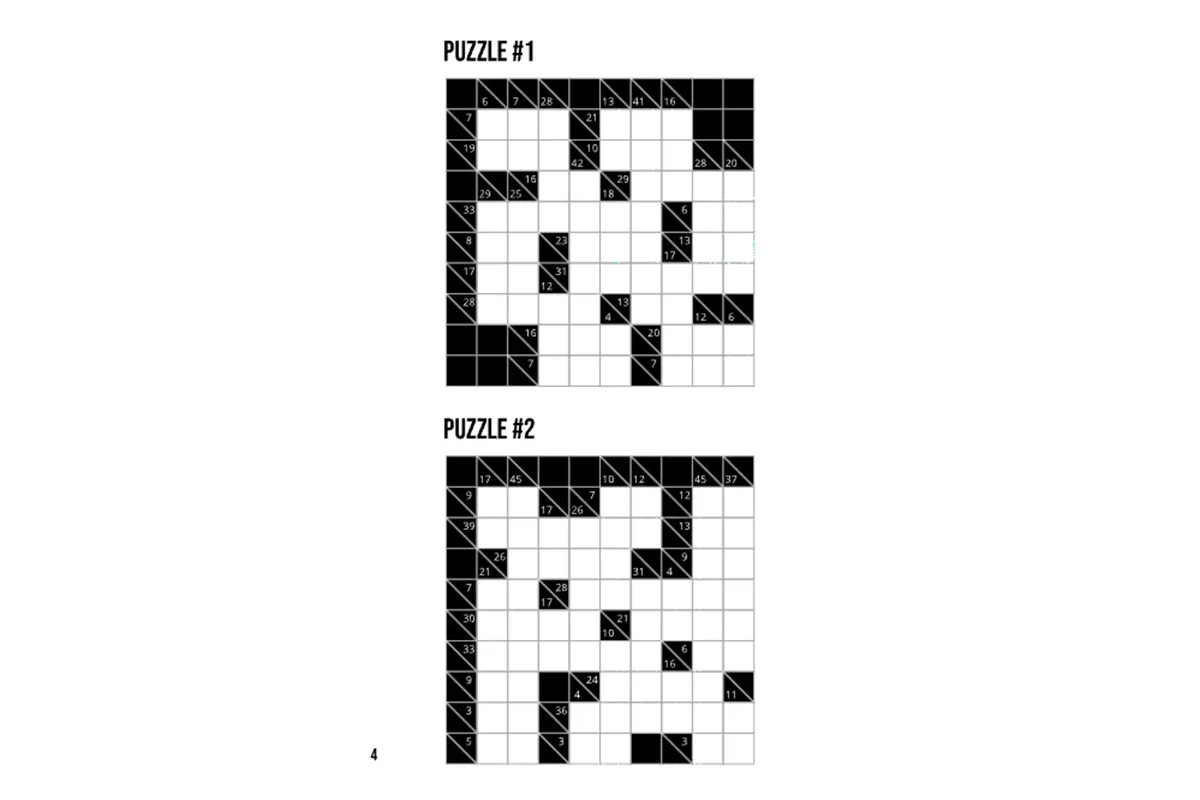
The interior layout keeps the focus on logic, clarity, and the quiet rhythm of solving one puzzle at a time.
That distinction matters. It is one of the reasons Kakuro can feel so much more satisfying than puzzles that lean heavily on repetition or instinct. With Kakuro, each solved section carries a sense of internal consistency. The numbers agree with one another. The space tightens. The uncertainty narrows. What began as a scattered set of possibilities becomes a clean solution shaped by reason. For people who enjoy order, that kind of progress can be deeply appealing.
It also helps explain why Kakuro attracts a certain kind of solver. Some readers are drawn to puzzles that feel expressive or playful. Others prefer puzzles that feel elegant, structured, and fair. Kakuro belongs firmly in that second group. It asks you to think, but it does not ask you to guess wildly. It challenges you, but it does so within a system that feels controlled. That sense of fairness is important. It builds trust between the puzzle and the solver, and that trust makes the solving experience more enjoyable.
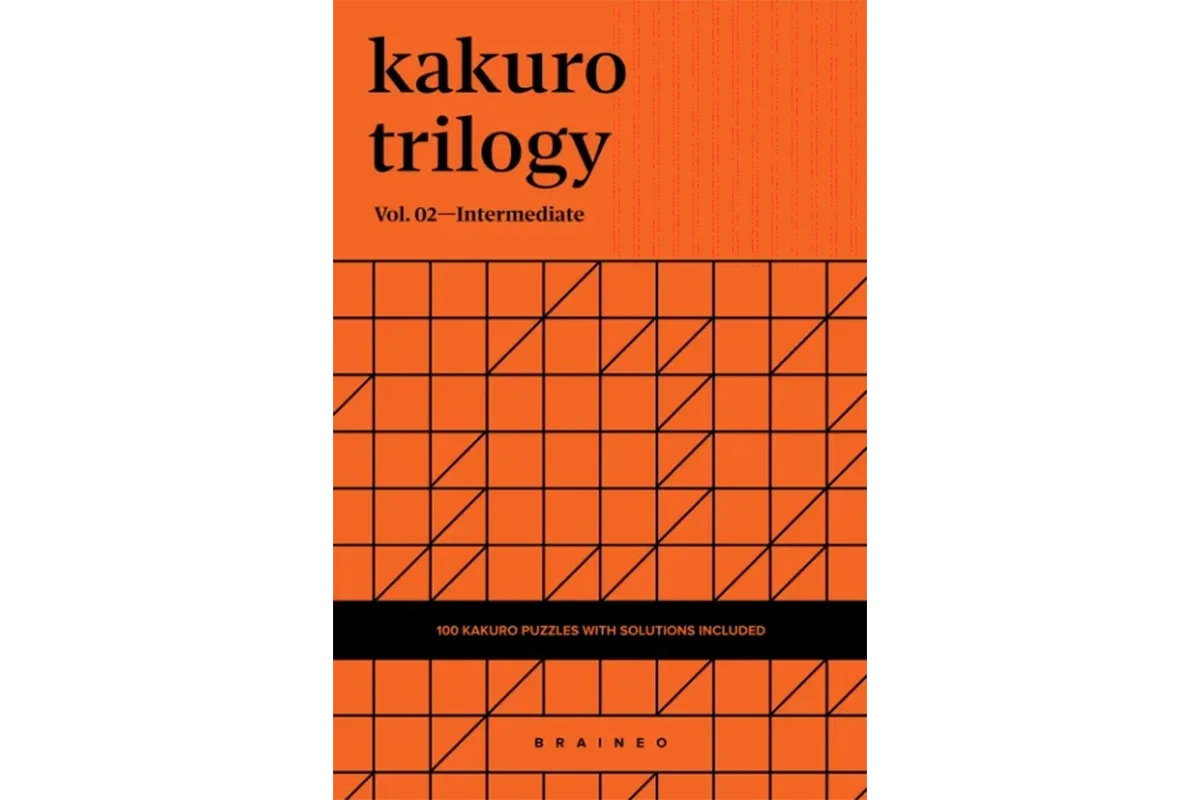
Kakuro Trilogy Vol. 02 Intermediate offers a balanced step forward for readers who enjoy steady, satisfying progression.
There is another reason Kakuro stays with people once they get into it. It creates focus without clutter. The outside world tends to fall away when your attention moves fully into a grid. You stop thinking in broad, scattered terms and begin thinking in relationships, patterns, and limits. One clue connects to another. One decision sharpens the next. The mind settles because the puzzle gives it something exact to do. That can make Kakuro feel not only stimulating, but oddly calming as well.
The tactile side of the experience matters too. Kakuro is especially enjoyable in printable form because it suits slow, deliberate solving. There is something fitting about working through a logic puzzle with pencil in hand, taking your time, marking possibilities, and seeing progress build on the page. It makes the experience feel clearer and more intentional. Instead of moving quickly through a digital distraction, you stay with one puzzle and let the reasoning unfold properly.
That is why Kakuro can be so easy to return to. It does not rely on noise, novelty, or visual clutter. Its appeal is quieter than that. It comes from the pleasure of deduction, the beauty of a system that works, and the small but lasting satisfaction of solving something that feels both challenging and fair. For the right reader, that is more than enough. It is exactly what makes the puzzle so compelling.
Kakuro Trilogy Vol. 01 Beginner introduces the format through a clear and approachable starting point.
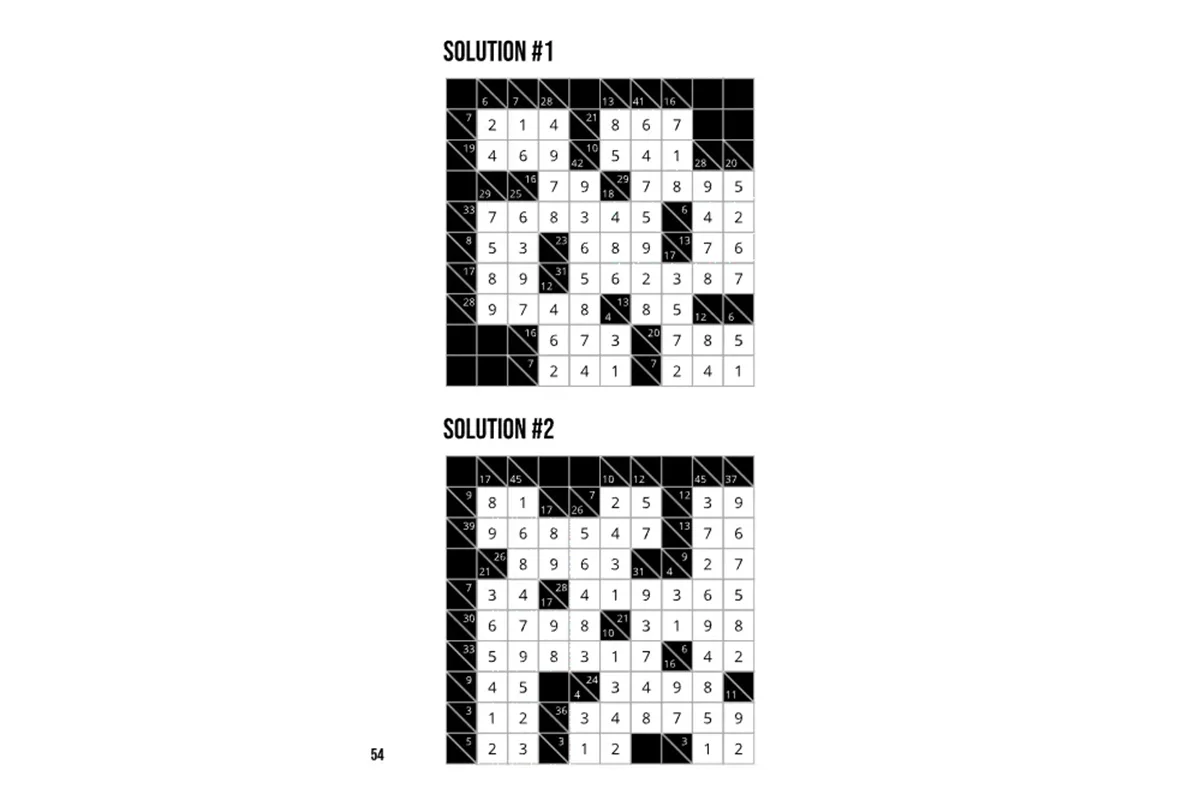
Solutions are included for a smoother solving experience and easy progress checking when needed.
Braineo’s printable Kakuro collection is designed for readers who enjoy that kind of challenge, with puzzle books that bring structure, clarity, and a satisfying sense of progression to the page.
If you enjoy puzzles that reward logic and careful thinking, explore Braineo’s printable Kakuro collection.
In the end, Kakuro feels satisfying because it respects the reader. It offers a real challenge, but it offers it cleanly. It gives the mind something meaningful to do, then lets the satisfaction come from the solving itself. That is a rare quality. It is also what makes Kakuro so easy to appreciate once you understand what it does so well.